
How Family Environment Shapes Life Outcomes Across Generations
A child’s early surroundings often leave a mark that follows far beyond childhood years. New research published in The BMJ points to how different family environments can shape mental health, education, and even social outcomes later in life.
The findings draw attention to children who experienced adoption away from high-risk homes compared to siblings who remained in their biological families. The contrast in life paths offers a rare look at how upbringing conditions influence long-term development across generations.
Study Design Focused on Sibling Differences
Researchers at Karolinska Institutet in Sweden examined sibling pairs where one child was adopted from a high-risk household and another stayed with biological parents. The goal was to separate environmental influence from genetic factors by comparing children within the same family line.
The study tracked just over 12,000 full and half-siblings born between 1950 and 1980. Each family included at least one parent with serious challenges such as psychiatric illness, criminal behavior, or suicide attempts. In many cases, adoption occurred before the age of ten. Adoptive families generally had stronger financial stability and higher socioeconomic standing.
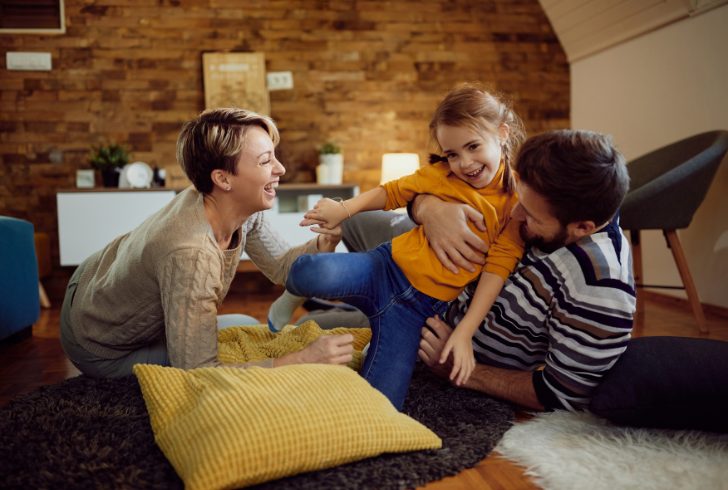
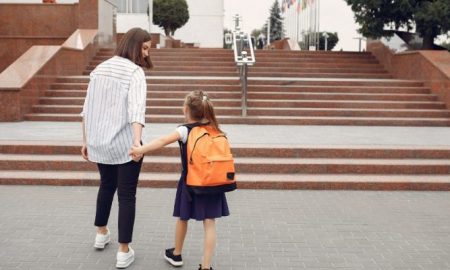
Freepik | Better environments significantly improve outcomes for children facing early life risks.
As associate professor Erik Pettersson from the Department of Medical Epidemiology and Biostatistics explained, “A more favorable home environment can make a big difference, particularly for children who start life with clear risk factors.”
That statement captures the core of the research focus, where environment and opportunity played a defining role.
Life Outcomes Shaped by Upbringing
The difference in outcomes between the two groups became clear in adulthood. Individuals who grew up in more stable adoptive homes showed consistently stronger results across several life areas when compared to their siblings raised in high-risk environments.
Key differences included:
1. Lower rates of mental health challenges
2. Reduced involvement in criminal behavior
3. Less dependence on social welfare systems
4. Stronger academic performance and higher education levels
Men in the adopted group also performed better during military conscription evaluations. These assessments included intelligence testing along with evaluations of stress handling and social adaptability, both of which showed improved results.
These patterns suggest that early-life surroundings can influence not just emotional development but also cognitive and social functioning in adulthood.
Effects Seen Across the Next Generation
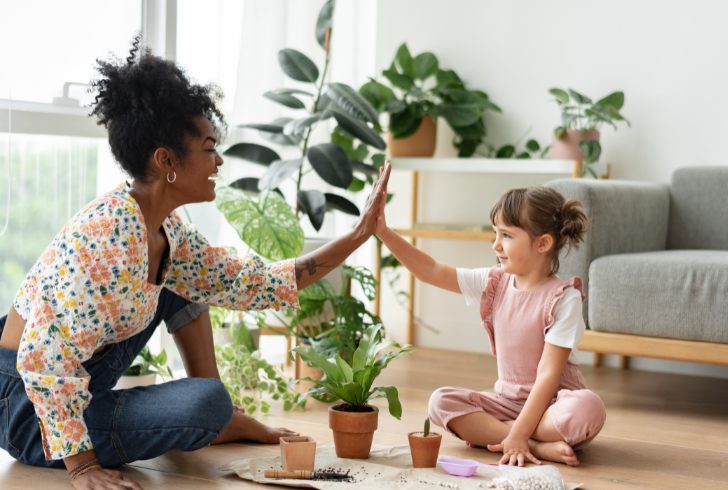
Freepik | rawpixel.com | Early surroundings fundamentally predict lifelong mental health and social stability.
The study also extended into the next generation, reviewing nearly 22,000 children of the sibling pairs. Even though the differences were less pronounced, children of those who had been adopted still showed better average outcomes than their cousins.
Findings included a lower likelihood of financial strain and reduced involvement in criminal activity among these children. The direction of the results remained consistent, indicating that advantages linked to improved upbringing may continue beyond one generation.
Pettersson noted, “This suggests that improved living conditions benefit not only the individual, but also the next generation.” The research points to a ripple effect where early environmental support carries forward into family lines.
What the Findings Suggest
While the study does not position adoption as a universal solution, it highlights the broader impact of stable and supportive childhood settings. It also draws attention to gaps in research on early intervention programs.
According to Pettersson, “Research into the effects of various support measures aimed at giving children a better upbringing is both limited and fragmented.”
Some interventions show strong long-term benefits, while others show minimal effect. Still, the data suggests meaningful potential when children receive safer and more supportive environments.
This Swedish study offers a clear message: childhood surroundings can shape not only immediate development but also life outcomes that stretch into adulthood and beyond. From mental health and education to social stability, early environment plays a measurable role.
The evidence also shows that these effects can extend into the next generation, reinforcing the importance of supportive conditions during childhood years.
More in Family
-
`
 Here’s What We Know About Jeff Bezos’ Seven Kids
Jeff Bezos built Amazon into one of the most powerful companies on the planet. Yet away from boardrooms and rocket launches,...
March 13, 2026 -
`
Kylie Jenner & Timothée Chalamet Are ‘Eager’ to Have Babies
Kylie Jenner and Timothée Chalamet are not playing around anymore. What started as a surprising romance in early 2023 has grown...
February 14, 2026 -
`
5 Realistic Ways of Re-connecting Your Family in This Digital Age
Family life feels louder than ever, yet strangely quiet at the same time. Everyone is home, but no one is really...
January 17, 2026 -
`
George Clooney Says His Kids Don’t Care Much About His Fame
George Clooney has starred in major hits, collected awards, and stayed one of the most recognizable faces in entertainment, yet none...
December 21, 2025 -
`
Kanye West Accuses Kim Kardashian of Distancing Children From Him
Kanye West is not holding back. The 48-year-old rapper says Kim Kardashian is putting space between him and their kids. According...
November 22, 2025 -
`
How Losing a Family Pet Can Teach Your Kids About Death & Grief
No one wants to see their kid cry over a pet, but it happens. Pets don’t live forever, and when they...
October 24, 2025 -
`
Paris Hilton’s New Kids Show Is the One Even Her Own Kids Actually Watch!
Paris Hilton isn’t just running empires and DJing in Ibiza. She is also making bedtime TV that actually passes the toddler...
October 10, 2025 -
`
Why this Management Guru Wants You to ‘Waste’ Money to Grow Your Business
Luke Williams has a message that goes against everything most business owners believe: You need to waste money. Not recklessly, but...
October 3, 2025 -
`
5 Things We Lose As a Society When Teens Don’t Babysit
Babysitting used to be a rite of passage for teens. It wasn’t just about earning pocket money. It built trust, responsibility,...
September 27, 2025









More From Wordsa
-
Feeling Like You Never Have Enough? Try This Simple Habit
More money, better achievements, and new possessions can feel satisfying, but that feeling often fades faster than expected. Once a new...
Life HacksSeptember 18, 2026 -
Robert De Niro Opens Up About Balancing Career and Fatherhood
Balancing a major acting career with family life can be difficult, and Robert De Niro says there is no simple formula...
CelebritySeptember 11, 2026 -
Why Laundromats Remain a Reliable Business in the U.S.
Laundromats have become a popular topic on TikTok, where owners often share revenue figures and portray the business as an easy...
MoneySeptember 3, 2026 -
Kylie Kelce Reveals Why She Plays a Kangaroo in “Peppa Pig”
For more than 20 years, “Peppa Pig” has been a familiar part of family TV time. Now, the animated series is...
FamilyAugust 26, 2026 -
Back-to-School Anxiety Isn’t Just for Kids—Parents Feel It, Too
The first day of school often feels like a major milestone for children, but parents can feel just as much emotion....
Life HacksAugust 20, 2026



You must be logged in to post a comment Login