

How Andy Burnham’s Economic Policies Could Affect UK Households
Andy Burnham is preparing a bid for Downing Street after returning to Parliament as a Labour MP. While many political observers see him as a strong contender, the leadership race remains open following Keir Starmer’s resignation.
As reported by The Independent, Burnham is “widely considered a frontrunner,” although other candidates still have time to enter the contest.
For households across the UK, the bigger question is not who wins the leadership race but how a Burnham-led government could influence personal finances. From taxation and property costs to mortgages and pensions, several policy ideas linked to Burnham could have a direct impact on everyday budgets.
Tax Plans Under Discussion
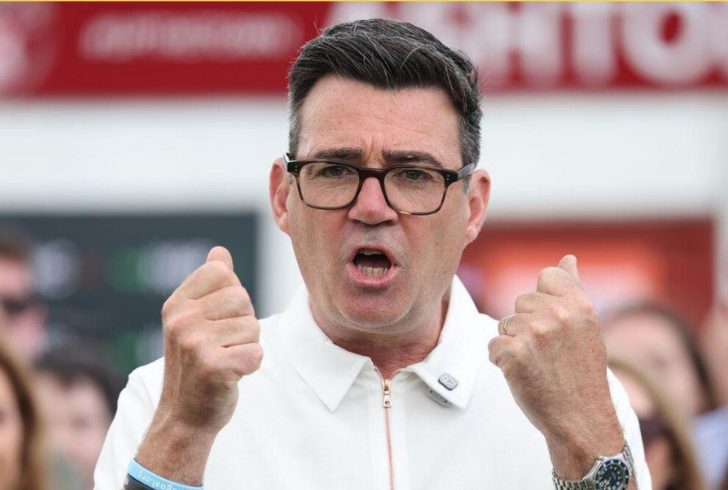
Instagram | @dailymirror | Andy Burnham has proposed reviewing tax policies that could affect household finances and public spending.
Labor’s existing pledge not to increase income tax rates, VAT, or employee National Insurance contributions is expected to remain in place, according to The Times. At the same time, Burnham has indicated support for reviewing the £12,570 personal tax-free allowance.
Speaking on the BBC’s Question Time, he said the allowance was raised “on so many doorsteps” during conversations with voters and suggested he would be willing to “have a proper look at this” when shaping future policy.
Inheritance tax could also come under review. MoneyWeek highlighted that, while serving as health secretary in 2009, Burnham proposed a flat 10% inheritance tax on all estates. Revenue from the charge would help fund social care services.
Another proposal attracting attention is the possible return of the 50p top income tax rate. The Sun described the measure as one that could “terrify middle England,” reflecting concerns among higher earners.
Property and Wealth Taxes
Burnham has also expressed support for greater taxation of wealth. According to IFA Magazine, he has shown interest in policies that shift the tax burden away from transactions and toward asset ownership.
Writing in The Guardian in 2010, Burnham proposed a land value tax based on the market rental value of land. He argued that such a system could “allow for the abolition of stamp duty.”
Supporters believe the approach could discourage land hoarding and encourage development. However, Tembo Money noted concerns about fairness, particularly for asset-rich homeowners with limited income who may struggle with higher annual tax bills.
Mortgage Costs and Market Confidence
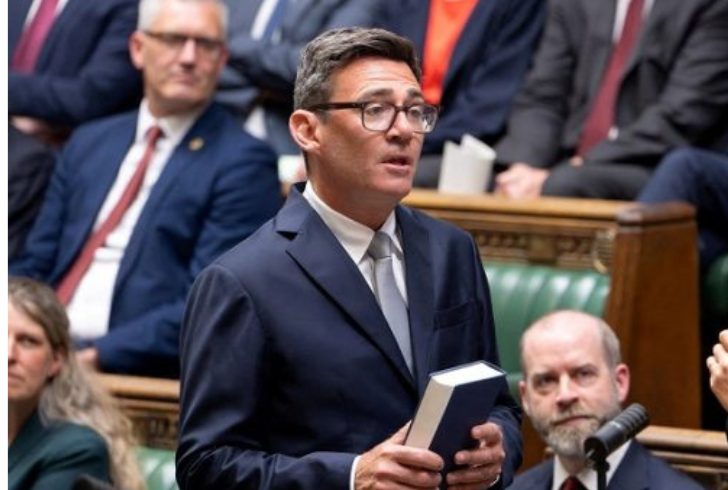
Instagram | @centralnewsza | Burnham reaffirms commitment to the pension triple lock despite growing long-term cost scrutiny.
Financial markets could play a major role in determining the real-world effects of a Burnham premiership. Sky News reported that his credibility with investors “will matter most for our borrowing costs.”
Burnham has sought to reassure bond markets by backing the government’s existing fiscal rules. Still, the Financial Times warned that any loss of investor confidence could increase borrowing costs, with mortgage holders feeling the impact first.
Some analysts have also raised concerns that large spending commitments could push bond yields higher and place upward pressure on fixed mortgage rates.
Pensions and the Chancellor Question
For retirees, Burnham has offered support for maintaining the pension triple lock. According to Morningstar, he has “reaffirmed the government’s commitment” to the policy despite growing scrutiny over its long-term cost.
Yet pension taxation remains an area to watch. Changes to pension tax relief or reductions in the tax-free lump sum have been discussed as potential ways to raise revenue without introducing direct wealth taxes.
Policy decisions would not rest with the prime minister alone. As The Independent noted, the choice of chancellor could significantly influence market confidence. Rachel Reeves is currently viewed as “stable, consistent, and predictable,” qualities that investors tend to favor.
MoneyWeek suggested that a chancellor known for fiscal discipline could help reassure financial markets. On the other hand, a less disciplined appointment could produce a very different reaction, affecting borrowing costs, investment sentiment, and household finances alike.
More in Money
-
`
 How Family Environment Shapes Life Outcomes Across Generations
A child’s early surroundings often leave a mark that follows far beyond childhood years. New research published in The BMJ points...
May 8, 2026 -
`
Why Single-Family Rentals Have Become the New Foundation for Family Stability
Choosing a home as a family isn’t just about finding the right place—it’s about managing competing priorities like cost, space, and...
April 10, 2026 -
`
Here’s What We Know About Jeff Bezos’ Seven Kids
Jeff Bezos built Amazon into one of the most powerful companies on the planet. Yet away from boardrooms and rocket launches,...
March 13, 2026 -
`
Kylie Jenner & Timothée Chalamet Are ‘Eager’ to Have Babies
Kylie Jenner and Timothée Chalamet are not playing around anymore. What started as a surprising romance in early 2023 has grown...
February 14, 2026 -
`
5 Realistic Ways of Re-connecting Your Family in This Digital Age
Family life feels louder than ever, yet strangely quiet at the same time. Everyone is home, but no one is really...
January 17, 2026 -
`
George Clooney Says His Kids Don’t Care Much About His Fame
George Clooney has starred in major hits, collected awards, and stayed one of the most recognizable faces in entertainment, yet none...
December 21, 2025 -
`
Kanye West Accuses Kim Kardashian of Distancing Children From Him
Kanye West is not holding back. The 48-year-old rapper says Kim Kardashian is putting space between him and their kids. According...
November 22, 2025 -
`
How Losing a Family Pet Can Teach Your Kids About Death & Grief
No one wants to see their kid cry over a pet, but it happens. Pets don’t live forever, and when they...
October 24, 2025 -
`
Paris Hilton’s New Kids Show Is the One Even Her Own Kids Actually Watch!
Paris Hilton isn’t just running empires and DJing in Ibiza. She is also making bedtime TV that actually passes the toddler...
October 10, 2025








More From Wordsa
-
Kauai Small Businesses Welcome Tourists Back After Hurricane Lowell
Hurricane Lowell left Kauai facing a difficult recovery after the Sept. 7 storm knocked out power, damaged roads, toppled trees, and...
MoneyOctober 1, 2026 -
Is Your Child Being Bullied? 2 Signs Parents Should Watch For
Bullying does not always leave visible marks. A child may come home with no injuries and still carry fear, stress, or...
FamilySeptember 25, 2026 -
Feeling Like You Never Have Enough? Try This Simple Habit
More money, better achievements, and new possessions can feel satisfying, but that feeling often fades faster than expected. Once a new...
Life HacksSeptember 18, 2026 -
Robert De Niro Opens Up About Balancing Career and Fatherhood
Balancing a major acting career with family life can be difficult, and Robert De Niro says there is no simple formula...
CelebritySeptember 11, 2026 -
Why Laundromats Remain a Reliable Business in the U.S.
Laundromats have become a popular topic on TikTok, where owners often share revenue figures and portray the business as an easy...
MoneySeptember 3, 2026




You must be logged in to post a comment Login