
Back-to-School Anxiety Isn’t Just for Kids—Parents Feel It, Too
The first day of school often feels like a major milestone for children, but parents can feel just as much emotion. A child may walk into school with confidence while a parent struggles to hold back tears. Another child may feel nervous, leaving the parent worried for the rest of the day.
Both reactions are normal, and neither follows a predictable script.
Back-to-school emotions can include pride, sadness, anxiety, excitement, relief, and even surprise. Parents may also find that their feelings depend heavily on how their child handles the change.
Why Parents Feel Anxious
A new school year changes more than a child’s daily schedule. It brings new teachers, classmates, rules, routines, homework, and expectations. Even children returning to a familiar school can experience stress.
Alyssa Mairanz, LMHC, CDBT, executive director and owner of Empower Your Mind Therapy in New York City, says parents may experience several emotions at the same time. These can include “anxiety, nervousness, worry, sadness, pride, gratitude, and even excitement.”

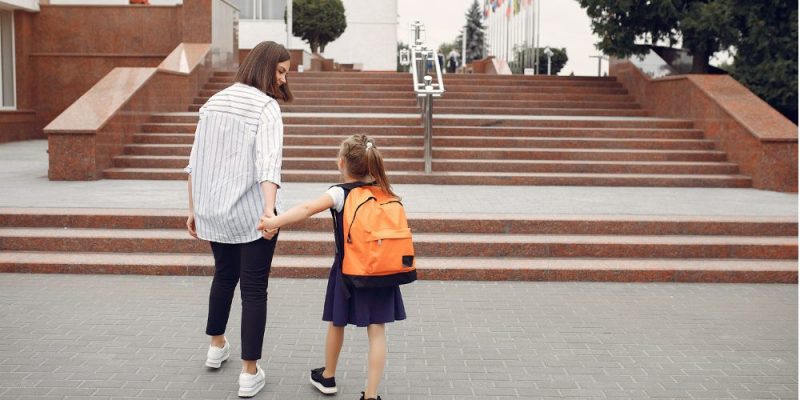
Pexels | Tiger Lily | Parents often feel a mix of pride, anxiety, and excitement during their child’s school transition.
Those feelings can come from different sources. Parents may worry about how a child will adjust, make friends, handle schoolwork, or feel comfortable in the classroom. Personal childhood experiences can also influence those concerns.
The child’s reaction can shape the parent’s experience, too. A confident child may help reduce parental anxiety. A child who feels scared or overwhelmed may leave a parent feeling unsettled.
Mairanz explains that when a child feels anxious about school, “it may elicit feelings of anxiousness and sadness in the parent.” She also points out that school represents a major transition, whether a child is starting for the first time or returning after summer break.
Every Child Reacts Differently
Children do not always respond to school according to age or experience. A kindergartner may confidently walk through the doors without looking back. Meanwhile, an older child who knows the school and already has friends may suddenly feel nervous.
That difference can catch parents off guard.
Clinical psychologist Jenny Yip, PsyD, ABPP, of Los Angeles-based Renewed Freedom Center, says a child’s confidence can influence the parent’s emotional state. “If your children feel confident in their ability to get through their first day of school, then it will calm your own anxiety and conflicted emotions,” she tells Parents.
That connection can make the first few school days emotionally complicated. Parents often want to provide reassurance while managing their own worries at the same time.
Keep Adult Worries Away From Kids
Parents should give children room to talk about school concerns. A child may worry about homework, classmates, the bus ride, a teacher, or simply being away from home.
Listening without immediately correcting or dismissing those feelings can help children feel understood. However, parents should also avoid introducing fears that the child has not expressed.
Dr. Yip warns that raising unnecessary concerns can “actually trigger anxiety and discomfort for the child.”
A calm response can make a difference. Instead of asking whether a child is worried about making friends, for example, parents can ask how the school day felt and allow the child to describe the experience in their own words.
This approach gives children space to share concerns without making ordinary school challenges seem more frightening than they are.
Prepare Before School Starts
Preparation can reduce uncertainty for both children and parents. Familiarity with the upcoming routine often makes the first days easier.
Parents can prepare children by:
1. Shopping for school supplies together
2. Meeting teachers when possible
3. Visiting the school before classes begin
4. Walking through important areas of the building
5. Reading age-appropriate back-to-school books
6. Practicing the weekday schedule
These small steps can give children a clearer idea of what to expect.
Once school begins, consistency also helps. A regular bedtime, morning schedule, breakfast routine, and departure time can make school mornings less stressful.
Still, parents should expect some rough days. A child may have a difficult morning even after careful preparation. That does not mean the preparation failed.
Parents Also Need Support

Freepik | Prioritizing basic self-care gives parents the emotional grounding needed to manage daily stress.
Parents often focus so heavily on helping their children that they overlook their own emotional needs. Yet parental stress can affect the atmosphere at home.
Mairanz recommends making self-care a priority because it can help parents manage stress and regulate their emotions. Self-care does not have to involve complicated plans. Quiet time, enough sleep, exercise, talking with a trusted person, or simply taking a short break can help.
It is also reasonable for parents to feel sad when a child becomes more independent. A child walking confidently into school can bring pride and a sense of loss at the same time.
That mixture does not mean a parent is overly emotional. It reflects how quickly children grow and how much family routines change over time.
When Extra Help May Be Needed
Some school-related anxiety fades as children become familiar with their routine. However, persistent or intense distress deserves attention.
Parents can consider speaking with a school counselor or mental health professional when a child continues to experience overwhelming anxiety or when efforts at home do not improve the situation.
Signs that deserve closer attention may include ongoing fear about attending school, repeated difficulty sleeping, frequent physical complaints connected to school, or distress that interferes with daily activities.
Getting support does not mean a child or parent has failed. Sometimes an outside perspective can help identify what is causing the problem and provide practical ways to address it.
The start of a new school year can affect each family member differently. Some children adjust quickly, while others need more support. Parents may also experience mixed emotions as their children become more independent.
A steady routine, open communication, and patience can make the transition easier. Parents should also give themselves time to adjust while supporting their children through the changes that come with a new school year.
More in Life Hacks
-
`
 How Family Environment Shapes Life Outcomes Across Generations
A child’s early surroundings often leave a mark that follows far beyond childhood years. New research published in The BMJ points...
May 8, 2026 -
`
Why Single-Family Rentals Have Become the New Foundation for Family Stability
Choosing a home as a family isn’t just about finding the right place—it’s about managing competing priorities like cost, space, and...
April 10, 2026 -
`
Here’s What We Know About Jeff Bezos’ Seven Kids
Jeff Bezos built Amazon into one of the most powerful companies on the planet. Yet away from boardrooms and rocket launches,...
March 13, 2026 -
`
Kylie Jenner & Timothée Chalamet Are ‘Eager’ to Have Babies
Kylie Jenner and Timothée Chalamet are not playing around anymore. What started as a surprising romance in early 2023 has grown...
February 14, 2026 -
`
5 Realistic Ways of Re-connecting Your Family in This Digital Age
Family life feels louder than ever, yet strangely quiet at the same time. Everyone is home, but no one is really...
January 17, 2026 -
`
George Clooney Says His Kids Don’t Care Much About His Fame
George Clooney has starred in major hits, collected awards, and stayed one of the most recognizable faces in entertainment, yet none...
December 21, 2025 -
`
Kanye West Accuses Kim Kardashian of Distancing Children From Him
Kanye West is not holding back. The 48-year-old rapper says Kim Kardashian is putting space between him and their kids. According...
November 22, 2025 -
`
How Losing a Family Pet Can Teach Your Kids About Death & Grief
No one wants to see their kid cry over a pet, but it happens. Pets don’t live forever, and when they...
October 24, 2025 -
`
Paris Hilton’s New Kids Show Is the One Even Her Own Kids Actually Watch!
Paris Hilton isn’t just running empires and DJing in Ibiza. She is also making bedtime TV that actually passes the toddler...
October 10, 2025









More From Wordsa
-
Kauai Small Businesses Welcome Tourists Back After Hurricane Lowell
Hurricane Lowell left Kauai facing a difficult recovery after the Sept. 7 storm knocked out power, damaged roads, toppled trees, and...
MoneyOctober 1, 2026 -
Is Your Child Being Bullied? 2 Signs Parents Should Watch For
Bullying does not always leave visible marks. A child may come home with no injuries and still carry fear, stress, or...
FamilySeptember 25, 2026 -
Feeling Like You Never Have Enough? Try This Simple Habit
More money, better achievements, and new possessions can feel satisfying, but that feeling often fades faster than expected. Once a new...
Life HacksSeptember 18, 2026 -
Robert De Niro Opens Up About Balancing Career and Fatherhood
Balancing a major acting career with family life can be difficult, and Robert De Niro says there is no simple formula...
CelebritySeptember 11, 2026 -
Why Laundromats Remain a Reliable Business in the U.S.
Laundromats have become a popular topic on TikTok, where owners often share revenue figures and portray the business as an easy...
MoneySeptember 3, 2026





You must be logged in to post a comment Login